

Architectural Photography & Airbnb Performance in Melbourne
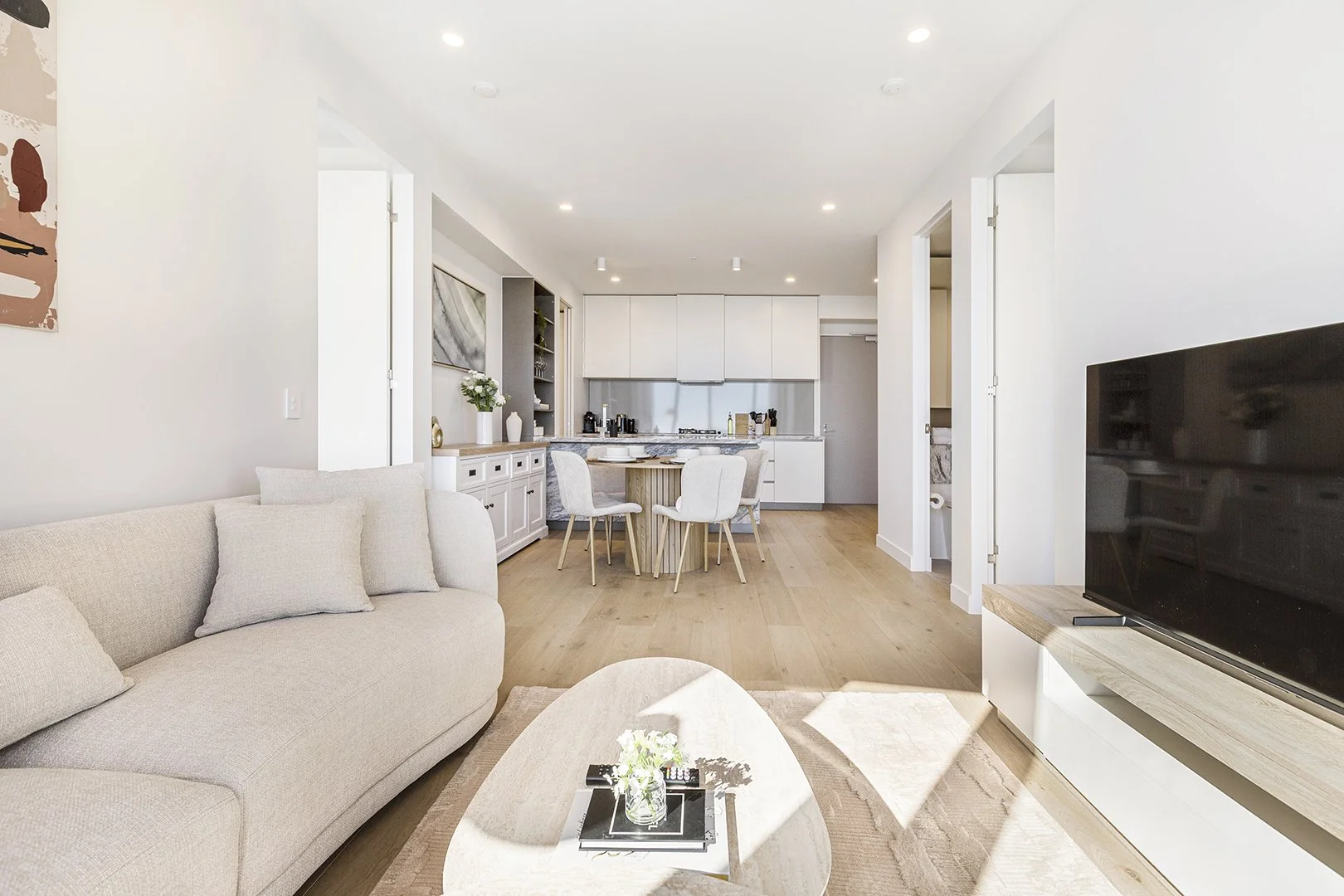
The landscape of short term rentals in Melbourne has shifted significantly over the last few years. While it was once possible to launch a listing with a handful of smartphone photos and see steady bookings, the current environment demands a much higher level of visual sophistication. To succeed in 2026, hosts must look beyond simple documentation and embrace architectural photography as a core business strategy. This shift is not just about aesthetics; it is a calculated move to improve algorithmic performance on platforms like Airbnb.
When we talk about the success of a listing in the Melbourne CBD or surrounding suburbs like Carlton, Fitzroy, and South Yarra, we are really talking about how well that listing interacts with a complex digital ecosystem. This ecosystem is governed by an algorithm that prioritizes probability. It wants to show guests the listings they are most likely to book and most likely to enjoy. Understanding how architectural photography feeds into these algorithmic signals is the key to maintaining a competitive edge in one of the world’s most active rental markets.
The Distinction of Architectural Photography
It is important to define what we mean by architectural photography in the context of a short term rental. Many people confuse this with standard property documentation, but the two are very different. Architectural photography is a form of photographic art that focuses on the relationship between the structure, the light, and the intended experience of the space. It is about capturing the intent of the designer and the lifestyle offered to the guest.
In a city like Melbourne, where architectural styles range from heritage Victorian terraces to ultra modern glass towers, the ability to capture these nuances is vital. A standard wide angle lens often distorts lines and makes spaces feel cold or cavernous. In contrast, architectural photography uses specific techniques to ensure vertical lines remain straight and the scale of the room feels natural. This creates a sense of professional trust before a guest even reads the first sentence of your listing description.
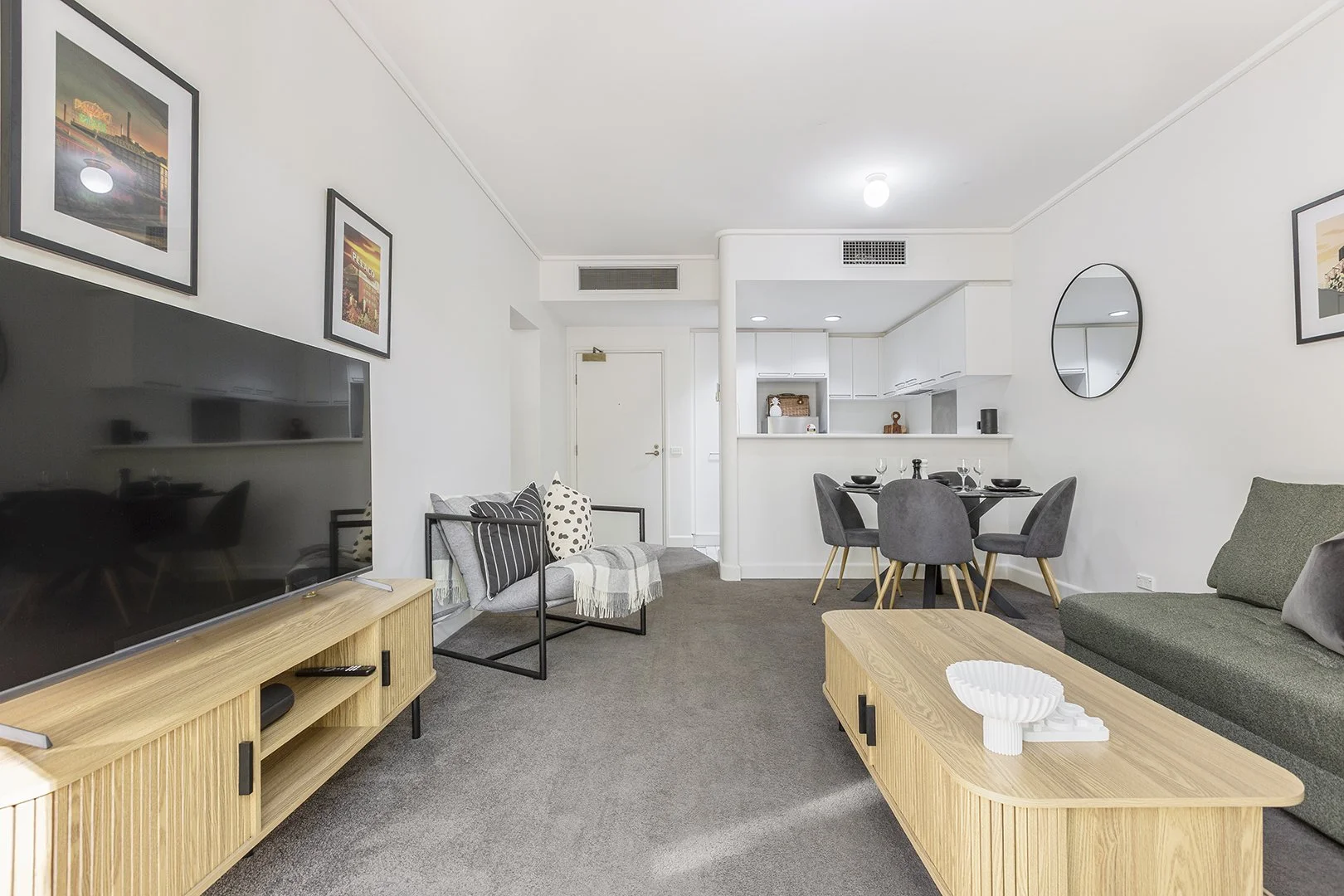
Interior of an airy, well appointed East Melbourne Airbnb apartment.
Boosting Algorithmic Performance Through Visuals
The term algorithmic performance refers to how effectively your listing navigates the search parameters set by Airbnb. The platform uses over 800 signals to determine where your property appears in search results. While pricing and location are critical, your imagery is the primary driver of the two most important metrics: click through rate and conversion rate.
The click through rate is the percentage of guests who see your thumbnail in a search result and choose to click on it. Your hero image is the heavy lifter here. In a dense Melbourne search result, your property might be displayed alongside fifty others. If your hero image is a standard shot of a living room with harsh shadows or blown out windows, guests will simply scroll past. Architectural photography ensures that the hero image is composed to draw the eye, using light and color to create a thumb stopping moment.
Once a guest clicks through, the conversion rate becomes the priority. This is the transition from a page view to a confirmed booking. This is where the narrative of your photographic art comes into play. A guest needs to be able to walk through the property in their mind. By showcasing the flow of the kitchen into the dining area or the soft morning light hitting the master bedroom, you provide the visual proof they need to hit the book button. You can read more about how this visual storytelling affects the psychology of guest bookings on our blog.
The Melbourne Market Context
Melbourne is a design centric city. Our guests are often looking for more than just a place to sleep; they are looking for an experience that reflects the character of the neighborhood. A listing in Fitzroy needs to feel artistic and textural, while a penthouse in the CBD should feel sleek and sophisticated. Architectural photography allows us to highlight these specific traits through carefully curated detail shots and environmental portraits of the property.
The competition within a 15km radius of the Melbourne CBD is intense. For hosts to remain visible, they must signal to the algorithm that their listing is of high quality. High resolution, professionally composed images are an explicit signal of listing quality. When the algorithm sees that guests are spending more time looking at your photos and that those views are turning into bookings, it rewards you with higher search placement. This creates a positive feedback loop that sustains your occupancy rates over the long term.
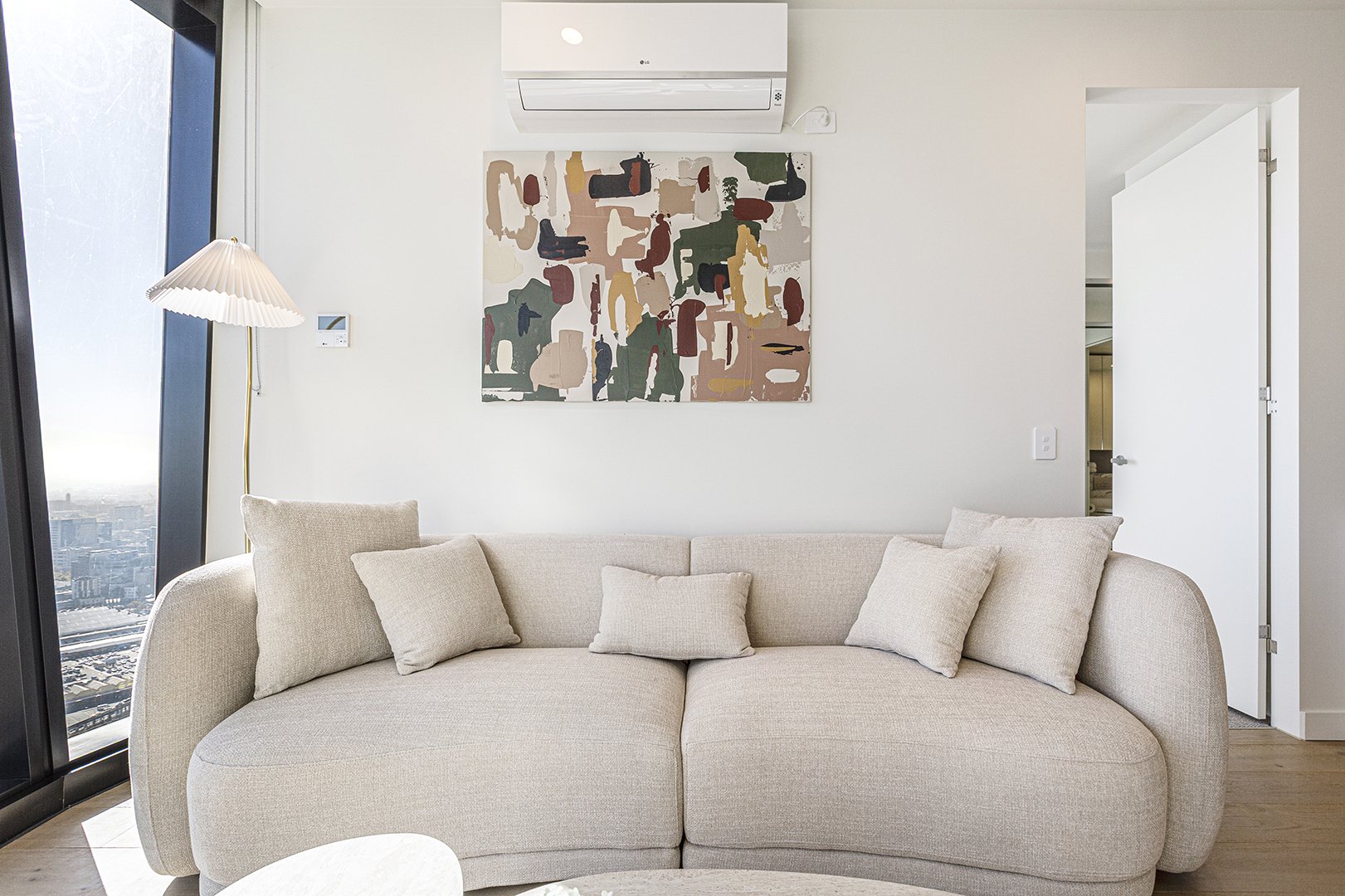
Modern furnishings and decor in a CBD Airbnb apartment.
Technical Precision and Guest Accuracy
One of the often overlooked aspects of architectural photography is its role in managing guest expectations. The Airbnb algorithm heavily weights guest reviews, specifically the accuracy category. If your photos use extreme wide angle lenses that make a studio apartment look like a ballroom, you are setting yourself up for a negative review.
Architectural photography focuses on truth as much as beauty. We use professional lighting and composition to show the space at its absolute best without deceiving the viewer. When a guest arrives at a Melbourne apartment and finds that it looks exactly like the photos, they are much more likely to leave a five star review. This high satisfaction rating tells the algorithm that your listing is reliable, which further boosts your algorithmic performance.
The ROI of Photographic Art
Investing in professional imagery is often viewed as a one time expense, but it is actually an ongoing investment in your property's digital health. The initial cost of a professional shoot is quickly offset by the increase in nightly rates and occupancy that comes with better search visibility.
Consider the difference between a listing that sits on page five of search results and one that consistently appears in the top three. The top listing receives exponentially more traffic, allowing the host to be more selective with guests and maintain higher pricing. This is the tangible result of prioritizing architectural photography. It is the bridge between a beautiful physical space and a high performing digital asset. If you are still weighing the options, you might find our comparison of iPhone vs professional photography helpful in understanding the value gap.
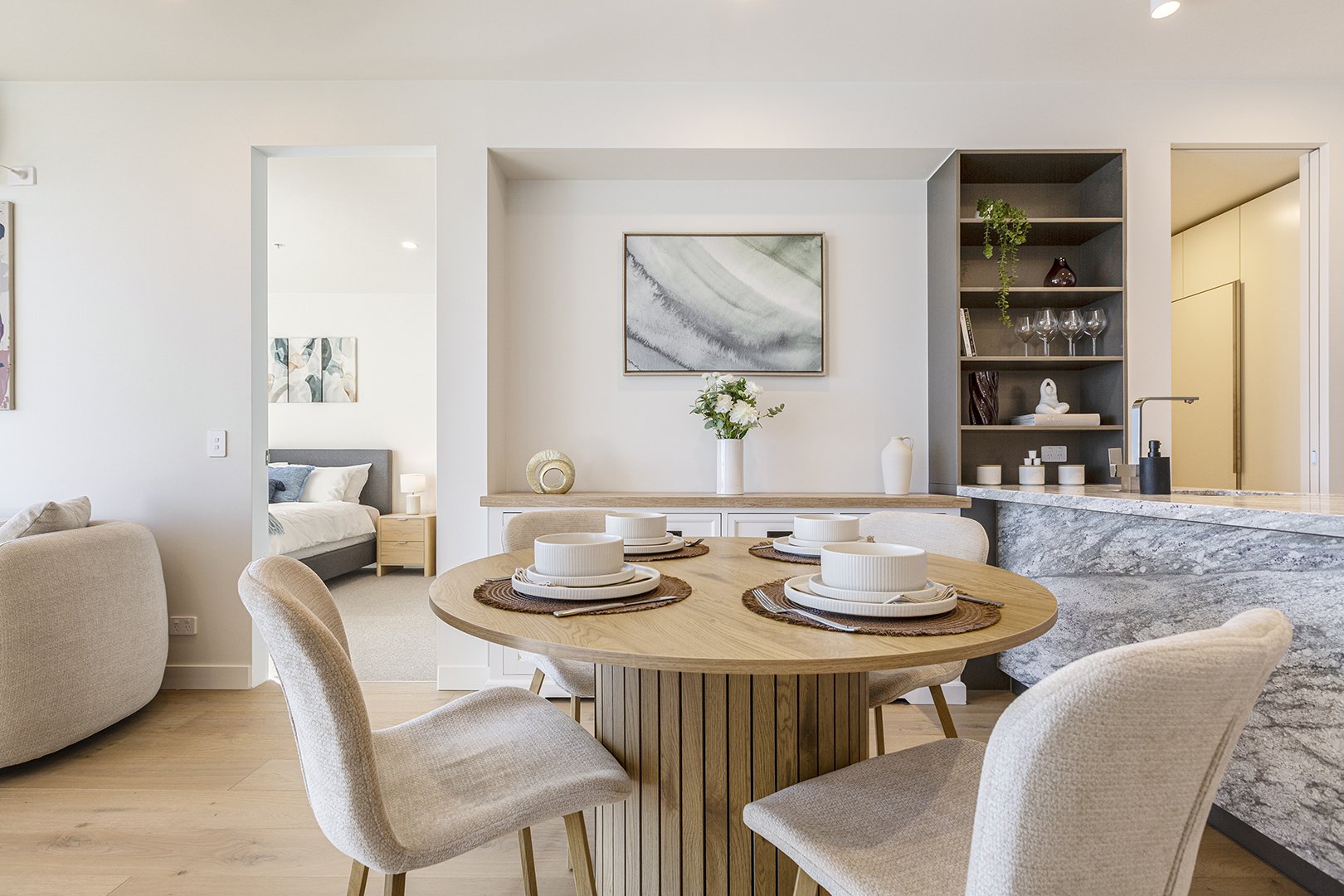
A set dining table can add interest and create a sense of homeliness in imagery.
Strategic Selection of the Hero Photo
The choice of your primary image can make or break your performance. In Melbourne, this often means deciding between a stunning interior shot or a view of the skyline. There is a specific science to this selection process which we refer to as the 15 second rule. By utilizing architectural photography, we can create a hero image that highlights the unique selling point of your property, whether that is a sun drenched courtyard or a designer kitchen.
When we photograph a property, we aren't just taking pictures of rooms; we are creating a marketing suite. This includes wide shots for context, medium shots for flow, and tight detail shots for atmosphere. Each of these serves a purpose in the guest’s journey and the algorithm's assessment of your listing’s completeness.
Conclusion
As the Melbourne short term rental market continues to mature, the gap between amateur and professional listings will only widen. For hosts who are serious about their business, architectural photography is no longer an optional luxury. It is a fundamental requirement for achieving top tier algorithmic performance and attracting the discerning guests that frequent our city.
By focusing on high quality photographic art, you are not just making your listing look better; you are providing the data points that platforms like Airbnb need to recommend your home to thousands of potential travelers. In the end, the goal is simple: to transform your property into a highly visible, highly booked, and highly rated destination.