

iPhone vs. Professional: Is a Pro Shoot Really Worth It for Your Melbourne Airbnb?
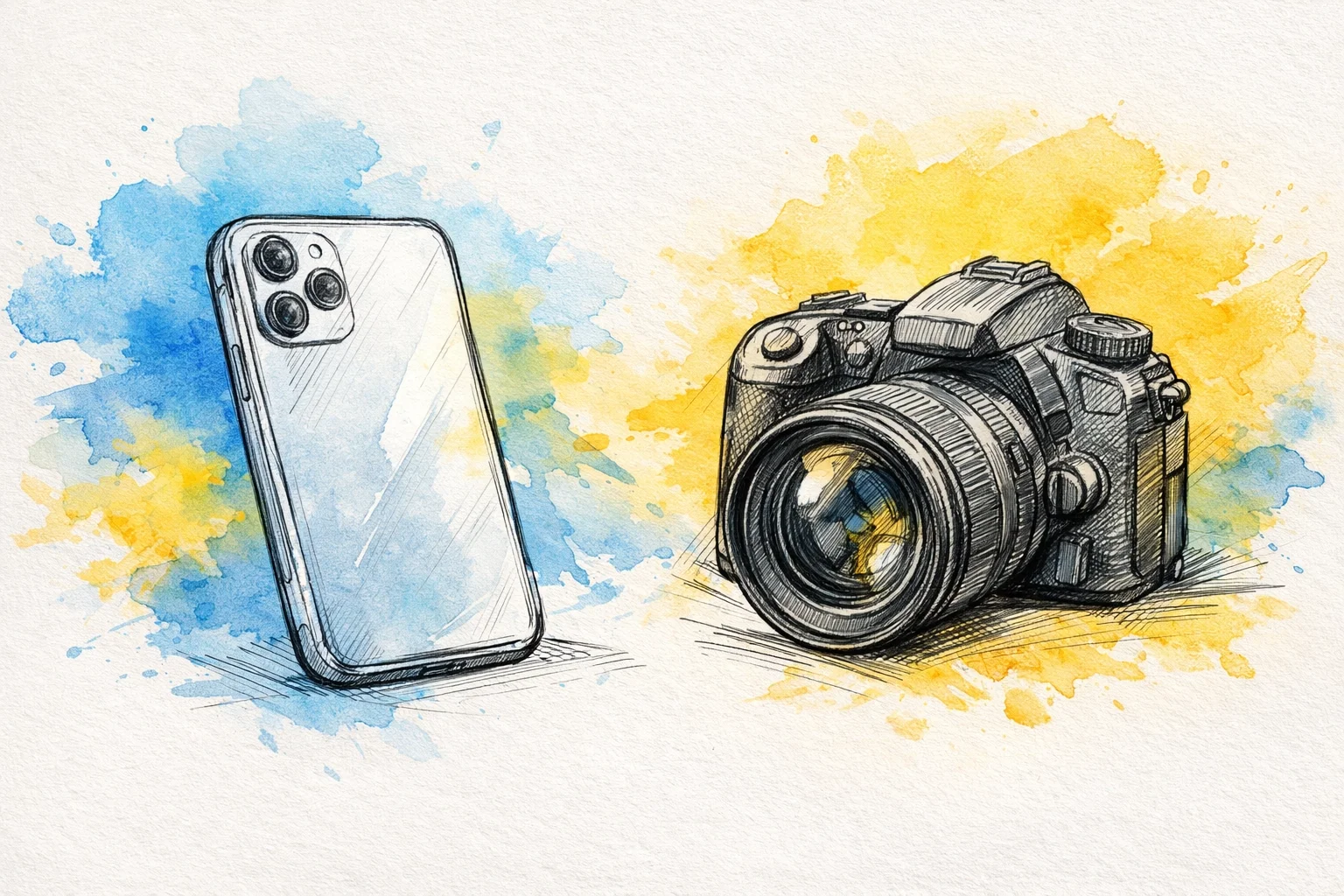
We’ve all seen the marketing. Every year, a new smartphone is released with a "pro-grade" camera that promises to replace everything in a professional’s kit bag. For Melbourne Airbnb hosts, the temptation is obvious. Why hire a professional architectural photographer melbourne when you have a high-end iPhone in your pocket? You can just wait for a sunny morning, move the laundry basket out of sight, and snap a few shots, right?
While modern smartphones are incredible pieces of technology, there is a massive gulf between DIY snaps and professional airbnb photos that are intentionally shot, styled, and edited for bookings. In a competitive market like Melbourne: where guests are choosing between thousands of stays across suburbs like South Yarra, Hampton East, and Prahran (plus everywhere in between): your airbnb listing photos aren't just a gallery; they are your entire marketing department. That’s why hosts often compare DIY results with what you get from an airbnb photographer melbourne (or an interior photographer melbourne / real estate photographer melbourne who understands short-stay presentation).
Let’s dive into why the "iPhone vs. Professional" debate isn't just about megapixels: it’s about the science of light, the mathematics of lenses, and the psychology of the guest: plus a few practical airbnb photography tips you can use either way. And yes, we’ll touch on airbnb photography pricing at a high level (without quoting numbers), because the real question is value vs. cost over time.
1. The Battle of Dynamic Range: Windows vs. Walls
One of the biggest struggles for any camera is "dynamic range." This is the ability to capture detail in both the brightest parts of a room (the windows) and the darkest corners (under the sofa or in a hallway) at the same time.
When you use an iPhone, the software tries to make a guess. Usually, it results in one of two things: either your interior looks great but the windows are "blown out" (appearing as bright, featureless white boxes), or the view outside looks beautiful but your living room is plunged into murky darkness.
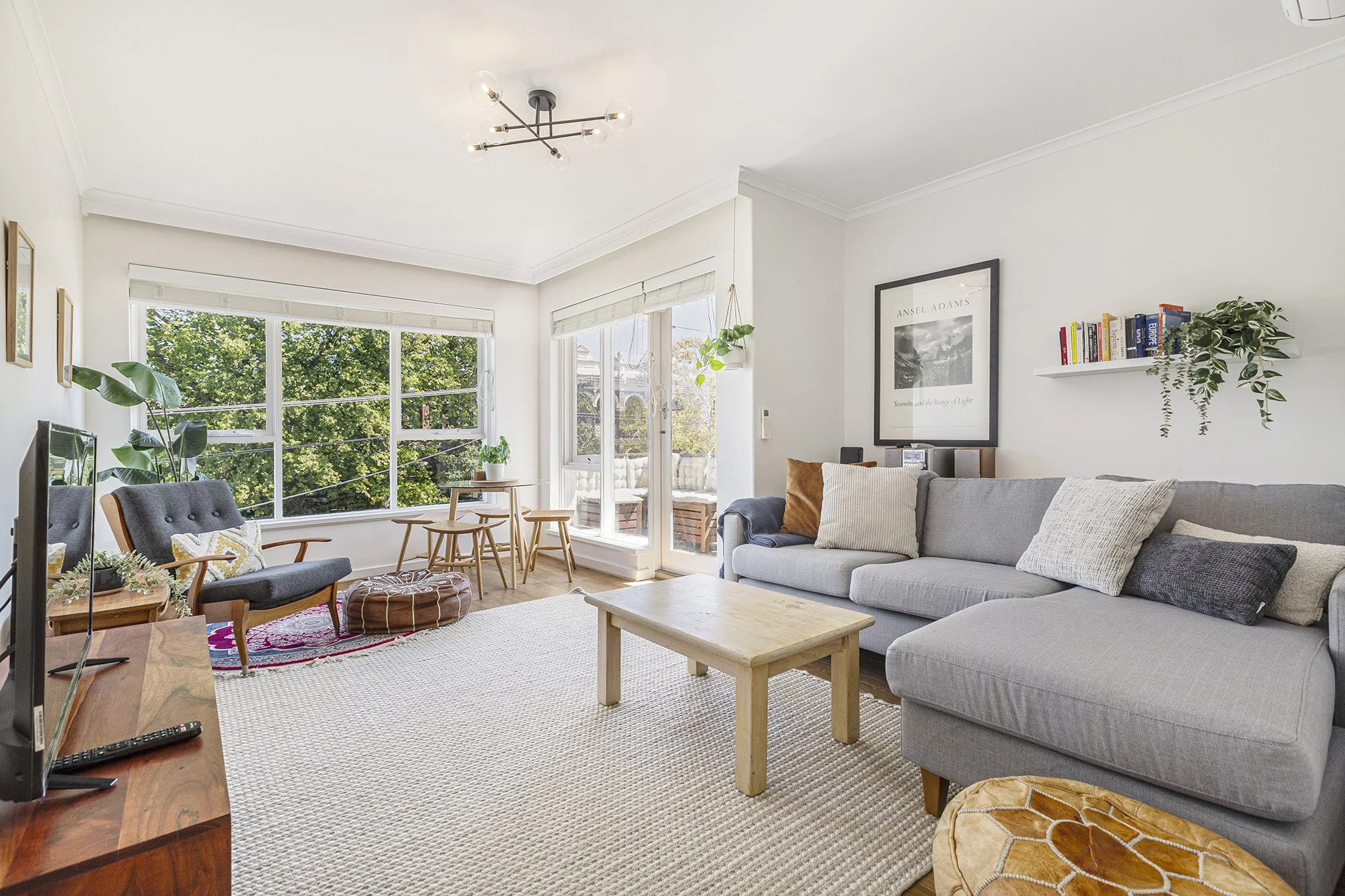
As a professional photographer and RMIT graduate, I use techniques that a smartphone simply cannot replicate during an airbnb photoshoot. By using bracketed exposures and professional-grade sensors, I can ensure that your guests see the beautiful Melbourne skyline through the window and the texture of your velvet cushions at the same time. This balance creates a sense of space and realism that makes a guest feel like they are already standing in the room: the difference between “good enough” phone pics and strong airbnb photography melbourne that’s built to convert.
2. The "Drunken Wall" Syndrome: Dealing with Lens Distortion
Have you ever looked at a real estate photo taken on a phone where the walls seem to lean inward or the fridge looks like it’s melting? That’s called lens distortion: and it’s one of the quickest ways DIY airbnb listing photos can accidentally look “cheap” (even when the place is actually great).
Smartphones use tiny lenses that rely heavily on software to "fix" the image. To fit a whole room into one frame, most hosts use the "0.5x" ultra-wide lens. While this gets everything in, it also warps the perspective. Straight lines become curved, and the proportions of the room get thrown out of whack. A small bedroom can end up looking like a long, distorted tunnel, which often leads to guest disappointment when they arrive and find the reality doesn't match the "stretched" photo.
In architectural photography, we use specialised wide-angle lenses designed to keep vertical lines perfectly straight. This is crucial for maintaining the structural integrity of the space. When the lines are straight, the room feels stable, high-end, and professionally curated. If you’ve ever wondered why some listings just look "expensive," it’s often because the verticals are perfect.
3. Creating an Emotional Connection Through Composition
Photography is more than just documenting that a bed and a kitchen exist. It’s about storytelling. An iPhone is a "point and shoot" tool; it captures what is in front of it. A professional shoot is about "composing" a scene.
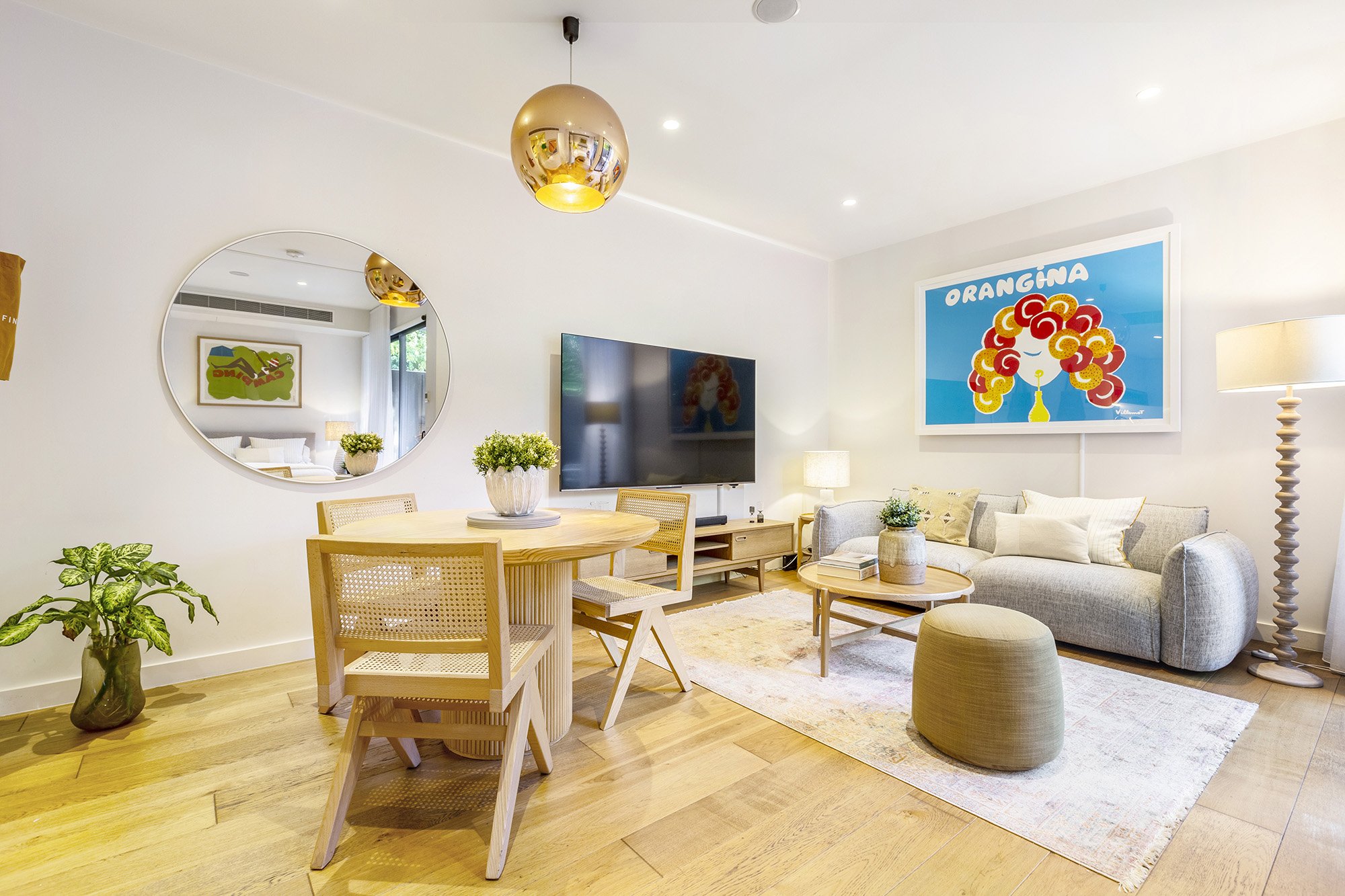
When I walk into a property, I’m looking for the "hero" angles that highlight the flow of the home. How does the kitchen transition into the dining area? How does the light hit the breakfast nook at 10:00 AM? We focus on the "hero shot" that stops the scroll.
By choosing the right height and angle: often shooting at chest or waist height rather than eye level: we create a perspective that feels inviting. We aren't just showing a room; we are showing a lifestyle. This emotional connection is what justifies a higher nightly rate. If a guest can imagine themselves drinking a coffee on that specific balcony, they are halfway to clicking "book."
For more on choosing that perfect first image, check out our guide on The 15-Second Rule: How to Choose Your Airbnb Hero Photo.
4. The Hidden Impact on SEO and Click-Through Rates
Airbnb’s algorithm is a sophisticated beast. It prioritises listings that have high engagement. Engagement means people are clicking on your listing, scrolling through your photos, and ultimately booking.
Professional photos are proven to increase "click-through rates" (CTR). When your thumbnail looks like a high-end magazine cover compared to a grainy, dark iPhone shot next to it, you win the click. Once the guest is on your page, high-quality, sharp images keep them there longer. Airbnb notices this "dwell time" and rewards you by pushing your listing higher in the search results.
It’s a snowball effect:
Better Photos = More Clicks.
More Clicks = Higher Search Ranking.
Higher Search Ranking = More Bookings.
Professional photography is one of the few investments that can pay for itself within the first few bookings. That’s also why airbnb photography pricing is best thought of as an ROI decision: you’re buying better clicks, stronger trust, and more consistent conversions: not just “some photos.” If you're curious about how else you can improve your ranking, take a look at The Secret Sauce to Ranking Higher on Airbnb.
5. Accuracy and Guest Trust
There is a fine line between making a place look good and making it look "fake." One of the common complaints from guests is that a property "didn't look like the photos."
As a registered Airbnb photographer, my job is to capture the best version of the truth. Professional equipment allows us to capture the true colours of your walls and the actual texture of your linens without the "artificial" sharpening or weird colour shifts that phone AI often applies. When the photos are accurate but beautiful, you build trust with your guests before they even check in. This leads to better reviews, and in the Airbnb world, reviews are currency.
Before you even book a shoot, making sure your place is ready is key. You can follow our Host’s Checklist for preparing your property to ensure we get the best results possible.
The Verdict: Is it Worth It?
If you are running a casual spare room for the occasional weekend guest, an iPhone might get you by. But if you are treating your Melbourne Airbnb as a business: whether it’s a chic studio in the CBD or a luxury home in Brighton: professional photography is non-negotiable.
An iPhone captures a house; a professional captures a home. With an RMIT background in architectural photography and years of experience as a registered photographer for the platforms themselves, I understand the technical requirements and the creative nuances that make a listing successful.
In the world of short-term rentals, you aren't selling a bed; you're selling a dream. And dreams look a lot better through a professional lens.