
Beyond the Lens: Why your listing needs a visual story, not just a gallery
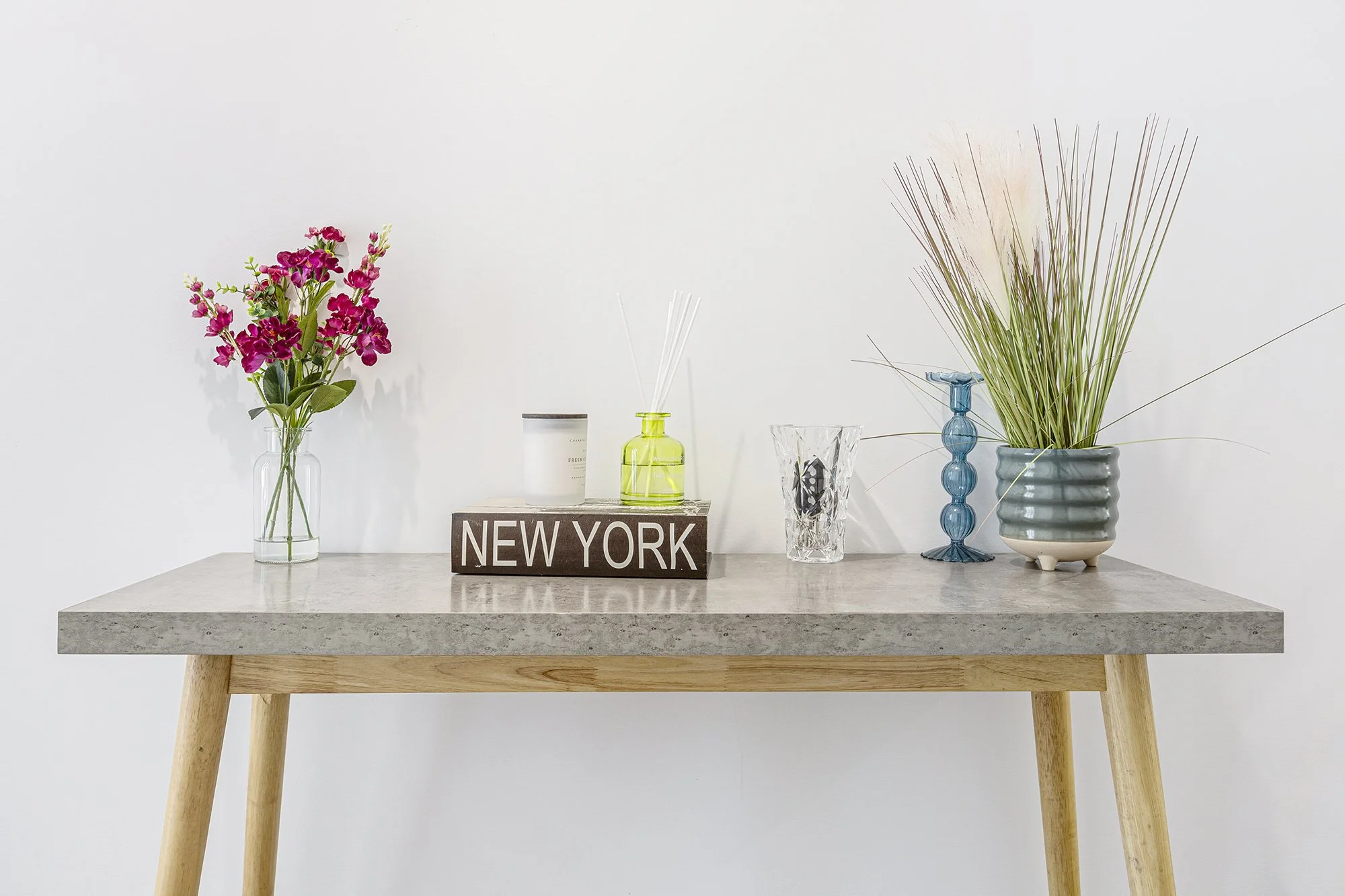
Walking into a property for the first time is a sensory experience. There is the way the light hits the floorboards in the morning, the weight of the front door, and the specific quiet of a well designed living space. For a guest browsing through hundreds of listings in Melbourne, that physical experience has to be translated into something they can see on a screen.
Many hosts fall into the trap of clinical documentation. They approach their listing like a floorplan come to life, making sure every corner is visible and every appliance is accounted for. While transparency is important, purely functional photos rarely inspire someone to hit the book button. To truly stand out in a competitive market, your property needs more than just a gallery of rooms. It needs a visual story.
The difference between showing and telling
Clinical documentation answers basic questions. Does the bedroom have a window? Is there a dining table? How large is the kitchen? This is the baseline, but it lacks the emotional pull required to convert a casual browser into a paying guest.
Visual storytelling, on the other hand, answers a much more important question: What will it feel like to stay here?
When I approach a shoot, I am looking for the narrative of the space. Architectural photography is not just about capturing four walls. It is about identifying the unique character of a home and presenting it as a lifestyle. If your property has a beautiful window nook, I am not just taking a photo of a chair and a window. I am capturing the place where a guest will spend twenty minutes with their morning coffee, watching the city wake up.
Boosting your algorithmic performance
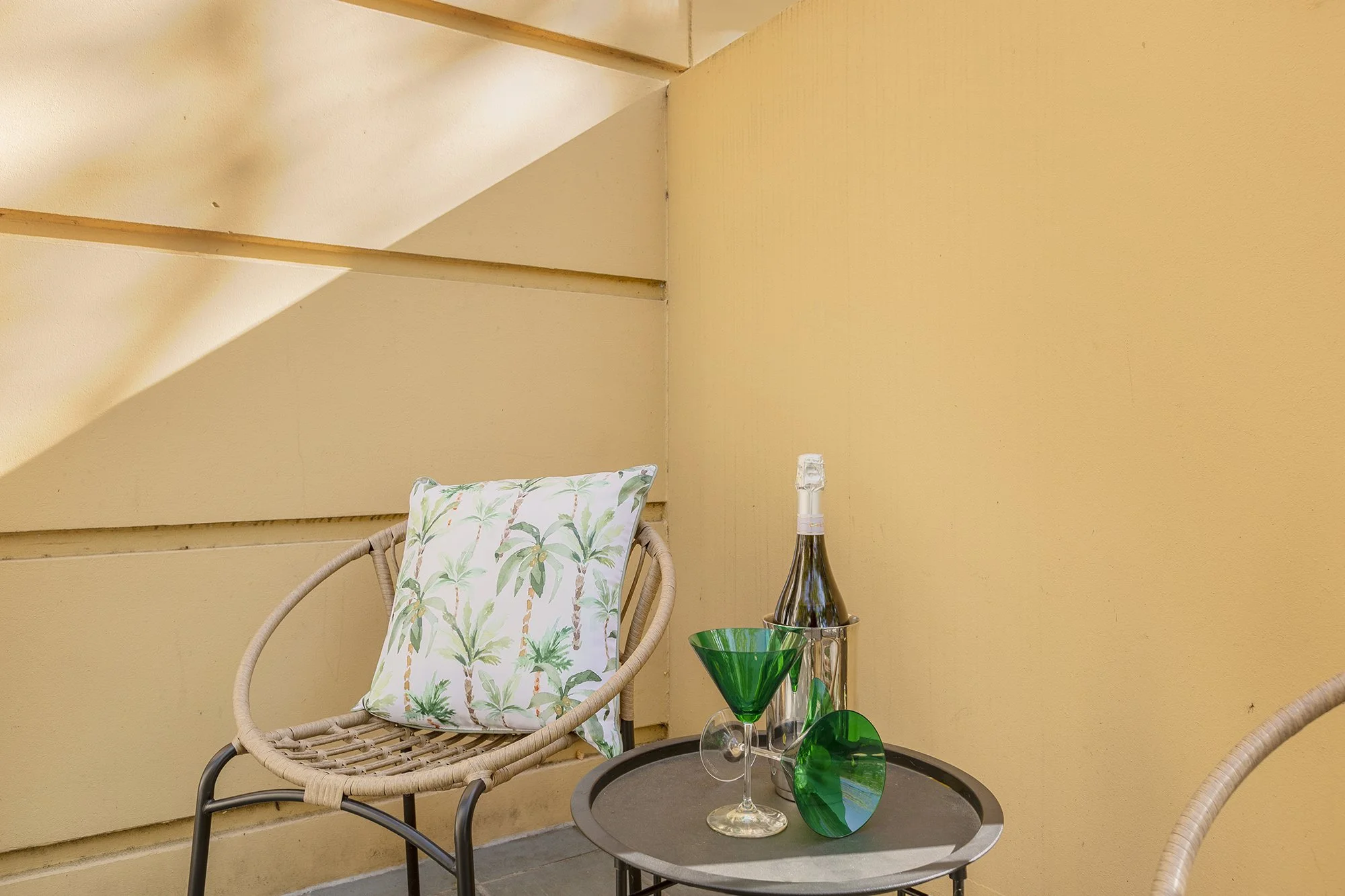
The way guests interact with your images has a direct impact on your listing visibility. On platforms like Airbnb, the algorithm tracks metrics such as click-through rates and the amount of time people spend viewing your photos. This is where algorithmic performance becomes a critical part of your business strategy.
Images that tell a story are naturally more engaging. They invite the viewer to linger, to imagine themselves in the kitchen, or to visualize a movie night in the lounge. When people spend more time on your listing, the platform interprets this as a signal of high quality. Over time, this helps your property rank better, ensuring that more potential guests see your space.
By moving away from a clinical approach and embracing photographic art, you are not just making your listing look better. You are actively improving its ability to compete in the digital marketplace.
The role of architectural photography in luxury stays
For hosts looking to attract premium bookings, the quality of the imagery must match the price point. Guests who are willing to pay more for a stay expect a certain level of professionalism and aesthetic polish. This is where the techniques of architectural photography become indispensable.
Traditional real estate styles often prioritize wide angles that can distort a room, making it look larger but also making it feel cold and artificial. In contrast, an architectural approach focuses on composition, vertical alignment, and the natural flow of light. It respects the design of the space rather than trying to trick the eye.
This level of detail signals to the guest that the property is managed with care. It builds visual trust. If the photos are thoughtful and artistic, the guest assumes the hosting experience will be the same.
Capturing the small things that matter
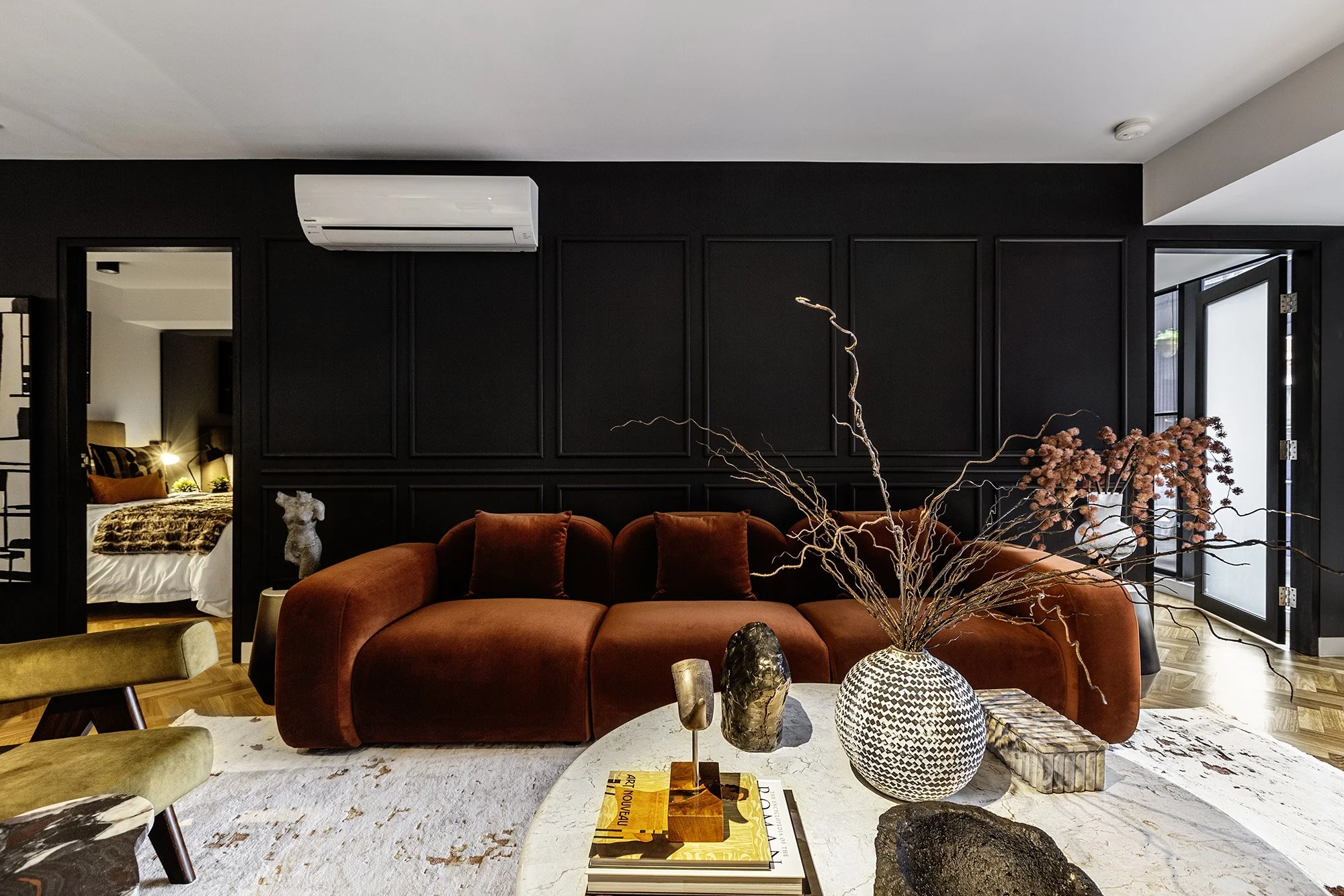
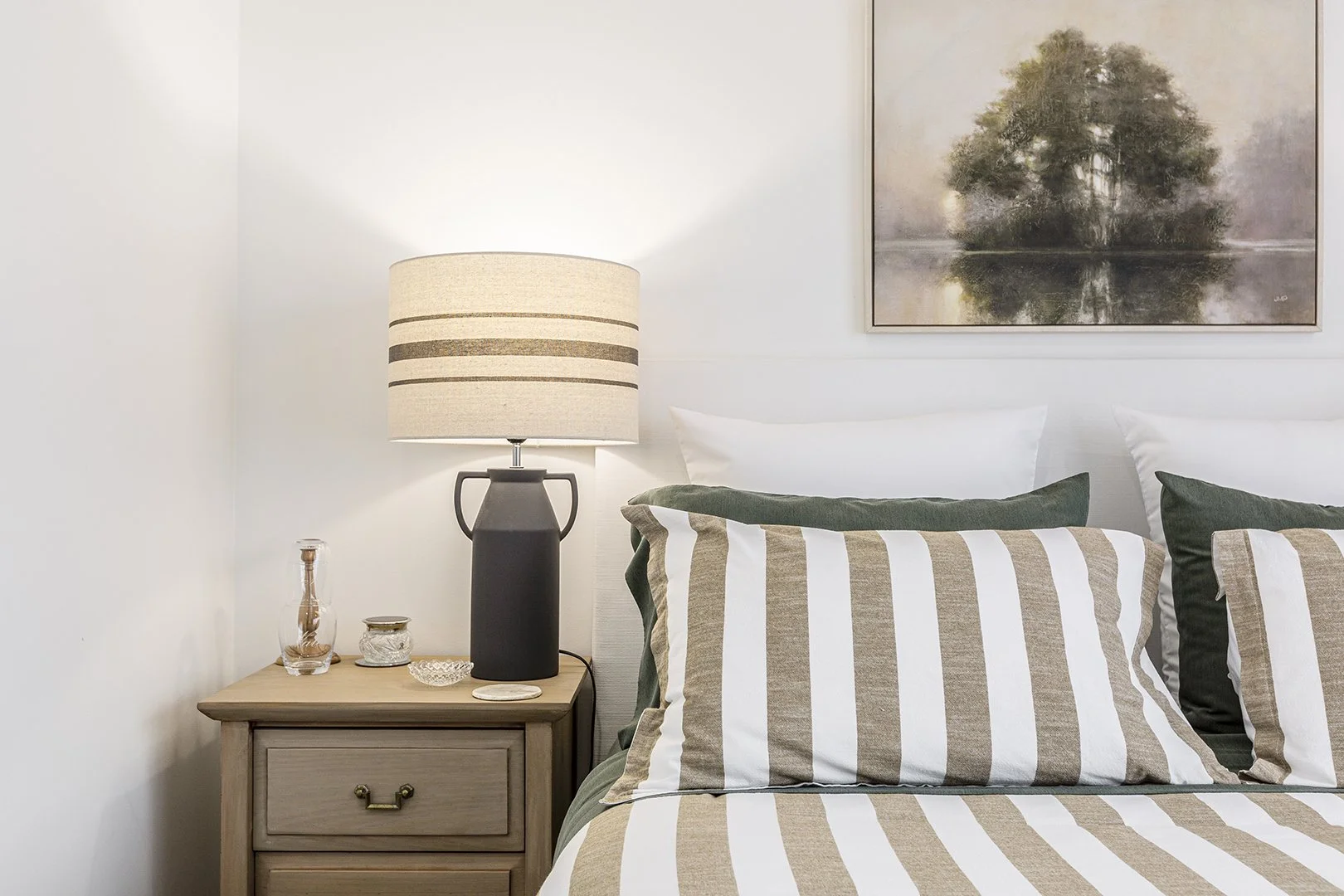
While large shots of the living area and kitchen are necessary, the story is often told through the details. These are the close-up shots that highlight the textures and materials that make a space feel inviting.
Think about the tactile elements of your home. Is it the softness of a high-quality linen throw? The craftsmanship of a custom timber shelf? The way a specific piece of art ties a room together? These details might seem small, but they are the things that guests remember.
In a world of mass-produced rentals, highlighting unique details helps your property feel like a home rather than a hotel room. It adds a layer of personality that resonates with travelers looking for an authentic Melbourne experience.
Creating a cohesive visual flow
A great listing is like a well edited film. It should have a beginning, a middle, and an end. The way you sequence your photos can lead a guest through a day in the life of your property.
I often recommend starting with a hero image that captures the soul of the home. This is the "hook" that stops the scroll. From there, the gallery should flow naturally through the main living spaces, into the private areas like bedrooms, and finally to the outdoor or communal spaces.
Consistency is key here. The lighting, color palette, and editing style should be uniform across all images. This creates a professional brand identity for your listing. When the visuals are cohesive, the entire experience feels curated and intentional.
Moving beyond documentation
Documentation is for insurance papers and maintenance logs. Storytelling is for guests.
When you view your property through a lens of photographic art, you begin to see possibilities that a standard point and shoot approach misses. You start to see how light moves through the rooms at different times of day. You notice the way a certain angle makes the kitchen feel like the heart of the home.
If you are a host in the Melbourne CBD or surrounding suburbs, you are operating in one of the most vibrant and competitive short-term rental markets in the world. Simply existing on the platform is not enough. You have to give people a reason to choose your space over the dozens of others on the same street.
By investing in professional architectural photography, you are doing more than just hiring someone to take pictures. You are partnering with someone to help tell the story of your home. You are creating a visual narrative that connects with guests on an emotional level, encouraging them to book and ensuring they have a clear, aspirational idea of what their stay will be like.
Final thoughts for Melbourne hosts
The shift from clinical documentation to visual storytelling is one of the most effective ways to elevate your brand as a host. It moves the conversation away from price and location and centers it on the experience.
When your photos capture the light, the layout, and the unique details of your space, you aren't just showing a room. You are inviting someone into a better version of their daily life. That is the power of a well told visual story.
If you are ready to move beyond the basics and showcase your property with the professional polish it deserves, consider how architectural photography can change the way guests perceive your listing. It is not just about the pixels. It is about the connection.
For more insights on how to improve your listing, you might find my previous posts on the psychology of Airbnb photos or preparing your property for a shoot helpful.